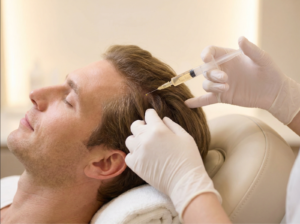
Filler that starts to hurt months after treatment is not something to wait out. The FDA says filler side effects can appear weeks, months or even years after injection, and its list of less common risks includes late swelling, lumps under the skin and infection. Call the provider who injected you and get it checked. This guide covers what is normal, what late pain can mean, when to get help right away, and how it is treated.
What is normal after filler, and what is not
Some soreness right after filler is expected. The American Academy of Dermatology lists redness, swelling, tenderness and occasional bruising at the injection sites, and says these usually clear within 7 to 14 days. The FDA describes the same pattern.
Pain that appears or returns months later falls outside that window. It is not always serious, but it should be examined by a licensed provider.

What can cause filler pain months later
The FDA lists several less common and rare risks that can show up well after treatment. The ones most likely to cause late pain or swelling are:
- Inflammation after an illness, vaccine or dental work. Swelling or redness can develop near the injection site after a viral or bacterial illness or infection, a vaccination, or a dental procedure.
- Nodules or granulomas. These are raised bumps in or under the skin. The FDA notes they may need to be treated with injections, oral antibiotics or surgical removal, and lists permanent hard nodules among the rare risks.
- Infection. Infection, open or draining wounds, and a sore at the injection site are all on the FDA list.
- Migration. Filler material can move away from where it was placed, which the FDA lists as a rare risk.
These causes can look alike and are handled differently, so the next step is an exam, not a home remedy.
Your filler can react to a cold or a dental visit.
The FDA lists swelling or redness near the injection site after a viral or bacterial illness, a vaccination or a dental procedure as a less common filler risk. Tell your provider what came before a flare.
When to get help right away
The FDA says to seek immediate medical attention if any of these happen during or shortly after a filler treatment:
- Unusual pain
- Vision changes
- A white, gray or blue look to the skin near the injection site
- Signs of a stroke, such as sudden trouble speaking, numbness or weakness in the face, arms or legs, face drooping, a severe headache, dizziness or confusion
Call 911 for stroke signs. For late symptoms, such as a lump, swelling that keeps returning, redness, warmth, a sore or drainage, call the provider who injected you promptly and ask to be seen.
| Sign | When | Action |
|---|---|---|
| Mild swelling | First 2 weeks | Usually settles |
| Flare after illness | Later on | Call injector |
| Firm lump | Later on | Book exam |
| Sore or drainage | Any time | Call promptly |
| Skin color change | Soon after | Emergency care |
Based on the AAD fillers FAQ and the FDA dermal fillers page. A general guide, not a diagnosis.
What to do if your filler hurts now
- Contact your injector. They have the record of the product, the area and the date, which is the first thing anyone treating you will need.
- Write down your filler history. The product name if you know it, where it was placed, when, and anything that happened before the pain started, such as an illness, a vaccine or dental work.
- Take photos in the same light each day to show whether swelling is growing or settling.
- Do not treat it yourself. The FDA warns against injecting yourself with filler or buying filler products online, and removing filler can take injections, surgery or other procedures that carry their own risks.
- Report it. The FDA asks patients to report problems with a filler through MedWatch at 1-800-FDA-1088.
For a second opinion on filler placed elsewhere, the Skin Anthology filler dissolver page asks you to share the product, area and timing, plus any allergies, recent vaccines and upcoming procedures.

How a provider evaluates and treats it
Treatment depends on the cause, so the area is assessed in person first. The FDA notes that raised bumps such as nodules or granulomas may need to be treated with injections, oral antibiotics or surgical removal.
The type of filler matters too. Skin Anthology offers Juvéderm, Restylane and RHA, and its service pages describe all three as hyaluronic acid fillers. Hyaluronic acid filler can be broken down with hyaluronidase, the enzyme used in filler dissolver.
The clinic’s filler dissolver page notes that hyaluronidase only affects hyaluronic acid fillers and does not dissolve other types, that more than one session may be appropriate, and that in rare situations involving vascular or medical concerns, dissolving can be an important part of timely care.
The FDA adds that permanent fillers and those not made of hyaluronic acid may be difficult or impossible to remove.
Filler dissolver only works on one kind of filler.
Hyaluronidase breaks down hyaluronic acid, the material in many common fillers, and does not dissolve non hyaluronic acid products. The guide to dissolving lip filler walks through how the appointment and recovery work.

Lowering the risk of late problems
No filler is risk free, but the FDA and the AAD point to the same habits:
- Treat filler as a medical procedure. The FDA says it should be considered a medical procedure, not a cosmetic treatment, and the AAD warns against filler at a non medical spa, a party, a salon or someone’s home.
- Choose a licensed, trained provider. The AAD says serious side effects such as lumps, infection and severe swelling are more likely when the injector lacks adequate training and experience.
- Mention active breakouts or infections. The FDA says filler should be delayed if your skin is inflamed or infected until the condition is managed.
- Ask for the patient labeling. The FDA recommends reading and discussing the labeling for the specific filler you receive. Keep the product name on record.
Botox and Dysport are not fillers. They relax muscles and wear off on their own, as the guide to how long Dysport lasts explains.

What filler and filler correction cost
On the current Skin Anthology price list, Juvéderm Ultra XC is $700 per syringe and Juvéderm Voluma XC is $900 per syringe. Hyaluronidase correction is listed as Call.
It is priced on the area treated and the amount of product needed. Your provider gives you a plan and a price at a free consultation before any treatment.
Frequently asked questions
Is it normal for filler to hurt months later?
Can a cold, a vaccine or dental work make my filler swell?
Can filler dissolver fix a painful lump?
When is filler pain an emergency?
How much does it cost to dissolve filler at Skin Anthology?
Filler feeling wrong? Have it looked at.
The consultation is free. Your provider examines the area, reviews your filler history, explains the options and gives you the price before any treatment. Skin Anthology Med Spa, 848 N La Cienega Blvd, Los Angeles.
Prefer to talk? (310) 482-2081
Sources: U.S. Food and Drug Administration, Dermal Fillers (Soft Tissue Fillers); American Academy of Dermatology, Fillers: FAQs; Skin Anthology filler dissolver, Juvéderm, Restylane and RHA pages and price list. This article is general information, not medical advice. If you think you are having an emergency, call 911.