After a VI Peel, most people feel tight and dry for the first three days, see visible peeling that typically falls between days 2 and 5, and notice the peeling begin to resolve by days 4 to 7. Clarity and texture keep improving through weeks 2 to 4. This guide walks through each stage, what to do and avoid, and how to plan the peel around your calendar.
What a VI Peel is
On the Skin Anthology VI chemical peels page, VI peels are described as medium depth professional peels for pigmentation concerns, sun related changes, acne scarring, uneven tone and texture. They exfoliate beyond the surface layers to encourage cellular turnover, using chemical exfoliation alone, no device.
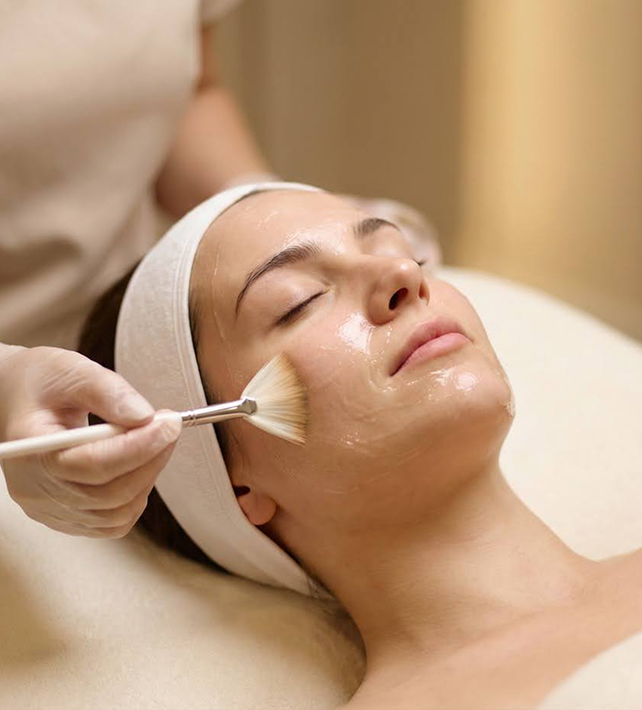
Cleveland Clinic explains that a chemical peel applies a solution that causes a controlled injury to the skin’s layers, which then peel off to reveal new skin that is usually smoother, more even in color and brighter. A medium peel removes the outermost layer and the upper part of the middle skin layer, which is why visible peeling is expected.
Skin Anthology recommends VI peels for people who want noticeable refinement with structured recovery, and says that when selected appropriately they suit most skin types.
Before your peel
Preparation starts one to two weeks out. The VI peel page asks for four things:
- Sun: avoid tanning, sunburn and prolonged sun exposure for 7 to 14 days before treatment.
- Skincare: retinoids and exfoliating acids may need to be paused beforehand, as your provider directs.
- Medicines: share current medications, supplements and recent skin treatments so timing and peel selection can be planned. Never stop a prescribed medicine without guidance from the clinician who prescribed it.
- Pregnancy: VI peels are not recommended during pregnancy or while breastfeeding.
The American Academy of Dermatology’s chemical peel preparation guide adds a few things to mention: any past or current isotretinoin, a history of cold sores, herbs, vitamins and minerals, and every surgery and cosmetic treatment you have had.
Peels belong in a clinic, not a shopping cart.
The American Academy of Dermatology reports that some peels sold for at home use are causing serious injuries, and the FDA advises using a chemical peel only under the supervision of a licensed, trained provider.
Peel day
The appointment takes about 20 to 30 minutes. Your provider selects the peel from a skin assessment and your goals, then applies it in controlled layers, monitoring closely.
Warmth or tingling is expected and, according to Skin Anthology, typically well tolerated.
Peeling is common around the mouth, nose and jawline, so the date matters. If you have an event coming up, talk timing through at your consultation so the peeling days fall where they suit you.
VI Peel recovery day by day
This timeline comes from the Skin Anthology VI peel page. Every skin heals at its own pace, so treat it as a guide.
| When | Skin | Care |
|---|---|---|
| Days 1 to 3 | Tight, dry | Gentle care |
| Days 2 to 5 | Visible peeling | No picking |
| Days 4 to 7 | Peeling settles | Daily sunscreen |
| Weeks 2 to 4 | Clarity builds | Keep protecting |
Days 1 to 3: tight and dry
Tightness and dryness are the first signs, redness is expected, and early peeling may begin. Use gentle, non irritating skincare only and apply broad spectrum sunscreen every day. The AAD advises using moisturizer as directed to keep skin supple, because skin that dries and cracks can scar.
Days 2 to 5: the visible peel
Skin Anthology says visible peeling typically occurs between days 2 and 5. It may come off in patches or sheets, commonly around the mouth, nose and jawline, and skin can look dry, flaky or uneven. These changes are temporary.
Do not exfoliate, pick or pull at peeling skin. The AAD warns that rubbing or scratching skin treated with a chemical peel can cause an infection, and Cleveland Clinic notes that new skin is fragile.
Days 4 to 7: peeling settles
Peeling begins to resolve; texture may feel smoother and tone more even. Some dryness or sensitivity may persist as the skin settles, so stay with the gentle routine.
Weeks 2 to 4: the result builds
Clarity, texture and overall skin quality continue to improve, as the skin keeps strengthening and refining over the weeks that follow.
How much you peel does not predict your result.
The VI peel page says the extent and appearance of peeling vary from person to person and do not directly predict results. Peeling less than a friend did is not, on its own, a sign that something went wrong.
Aftercare that protects the result
- Gentle and hands off: non irritating skincare and moisturizer as directed; no exfoliating, picking or pulling.
- Sunscreen every day: Skin Anthology calls daily broad spectrum sunscreen essential throughout healing.
- No tanning: the AAD says not to use a tanning bed or other indoor tanning, because your skin will not heal properly.
- Call if something feels wrong: if your skin burns, itches or swells, the AAD advises contacting your provider. Skin Anthology is on (310) 482-2081.
If you have a darker skin tone, Cleveland Clinic notes a greater risk of the skin darkening after a peel, called post inflammatory hyperpigmentation. Share your skin history at the consultation. The guide to post inflammatory hyperpigmentation treatment explains how those marks are faded if they do appear.
Daily sunscreen helps your results last.
The AAD notes that most chemical peel results are not permanent, because skin keeps aging. After your skin heals, applying sunscreen every day helps you maintain the results.
Who a VI Peel suits, and who should wait
VI peels are aimed at pigmentation, sun related changes, acne scarring, uneven tone and texture. Cleveland Clinic lists similar medium peel targets, plus fine to moderate wrinkles.
A peel is not the answer for everything. Cleveland Clinic says sags, bulges, deep scars, deep facial lines and more severe wrinkles do not respond well to chemical peels, and lists carbon dioxide laser resurfacing among the alternatives. If that sounds like your goal, see CO2 laser resurfacing and the CO2 laser downtime guide. For brown spots alone, the guide to laser for dark spots covers another route.
Cleveland Clinic adds that peeling may not be recommended with a history of abnormal scarring, skin conditions or medicines that make skin more sensitive, or if you cannot stay out of the sun while healing.
VI Peel or SkinMedica peel, and what it costs
Skin Anthology offers two peel families. SkinMedica peels gently resurface the outermost layers; visible peeling is often minimal, and dryness, tightness or mild redness usually resolves within a few days. VI peels go deeper and come with the visible peeling phase described above.
| Peel | Peeling | Price |
|---|---|---|
| VI Peel | Visible | At consult |
| Vitalize | Often minimal | $299 |
| Illuminize | Often minimal | $199 |
Vitalize and Illuminize are SkinMedica peels.
On the current price list, the Vitalize Peel is $299 and the Illuminize Peel $199, with packages of 3 at 15% off. VI peels are not on the published list: package pricing is available when appropriate, and your total is reviewed at your complimentary consultation before you commit.
Insurance does not cover cosmetic peels, the AAD notes. If you are weighing a laser peel instead, see what CoolPeel is and how its recovery compares.
Frequently asked questions
How long is VI Peel downtime?
When does peeling start after a VI Peel?
Does a VI Peel hurt?
What if I barely peel?
How much does a VI Peel cost at Skin Anthology?
Planning a peel around a date?
The consultation is free. Your provider assesses your skin, chooses the peel that fits your goals and helps you time the peeling days, and you see the price before you commit. Skin Anthology Med Spa, 848 N La Cienega Blvd, Los Angeles.
Prefer to talk? (310) 482-2081
Sources: American Academy of Dermatology, Chemical peels: Overview, FAQs and Preparation; Cleveland Clinic, Chemical Peels; Skin Anthology VI and SkinMedica peel pages and price list. General information, not medical advice.