
VI Chemical Peels: Advanced Skin Renewal & Visible Refinement
Advanced Skin Renewal & Visible Refinement
VI chemical peels are medium-depth professional peels designed to address pigmentation concerns, sun-related changes, acne scarring, uneven tone, and textural irregularities. These treatments support a deeper level of renewal while remaining non-device based.
At Skin Anthology, VI peels are recommended thoughtfully for patients seeking noticeable refinement with structured recovery. A visible peeling phase is expected and reflects the depth of renewal taking place. When selected appropriately, VI peels are suitable for most skin types.
How VI Chemical Peels Work
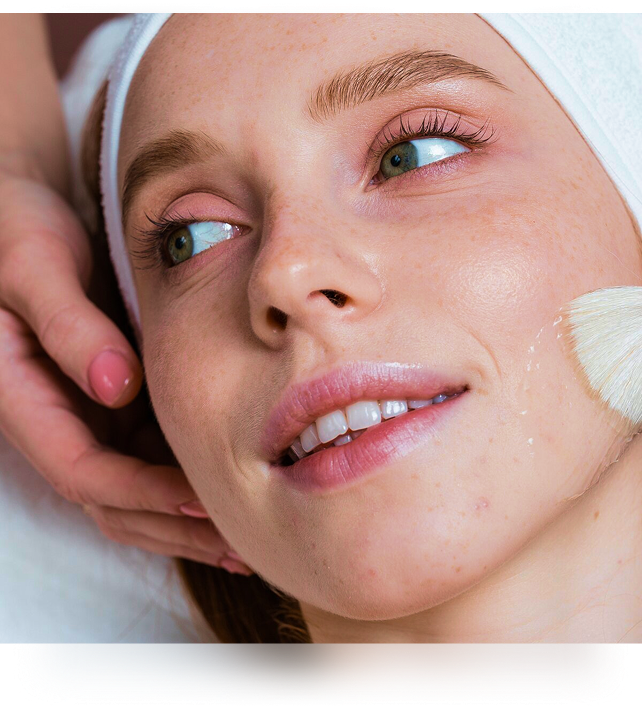
VI peels exfoliate beyond the surface layers of the skin, encouraging cellular turnover and renewal at a deeper level. As damaged skin sheds and new skin forms, tone appears more even, texture becomes smoother, and overall clarity improves.
The treatment is designed to work in phases—initial exfoliation followed by ongoing skin strengthening and refinement over the weeks that follow.
Why We Love VI Chemical Peels
They offer structured, visible refinement
Results unfold through a predictable healing and renewal process.
They address multiple concerns simultaneously
Pigmentation, texture, and tone often improve together.
They support continued improvement beyond peeling
Skin quality continues to evolve as renewal progresses.
They provide correction without device-based resurfacing
An effective option for meaningful change using chemical exfoliation alone.
They align with intentional skin planning
VI peels are selected when deeper renewal supports the overall treatment strategy.
Treatment Expectations and Care
Sun exposure
Avoid tanning, sunburn, and prolonged sun exposure for 7–14 days prior to treatment.
Skincare adjustments
Certain topical actives—including retinoids and exfoliating acids—may need to be paused beforehand, as directed by your provider.
Medication and supplement review
Please share current medications, supplements, and recent skin treatments so timing and peel selection can be planned appropriately. Do not stop prescribed medications without guidance from your prescribing clinician.
Skin health considerations
VI chemical peels are not recommended during pregnancy or while breastfeeding.
Appointment length
Approximately 20–30 minutes.
Application
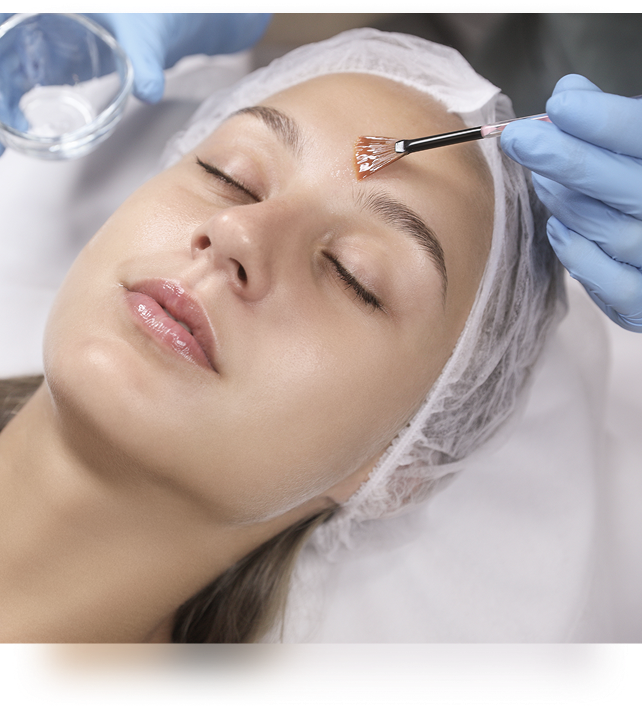
The peel is applied in controlled layers and monitored closely.
Sensation
Warmth or tingling is expected and typically well tolerated.
Customization
Peel selection is guided by skin assessment and treatment goals.
Expected skin response
Redness, tightness, dryness, and visible peeling are expected parts of the renewal process.
Peeling pattern and timing
Peeling often begins several days after treatment and may occur in patches or sheets, commonly around the mouth, nose, and jawline. The extent and appearance of peeling vary and do not directly predict results.
Skincare guidance
Use gentle, non-irritating skincare only. Avoid exfoliating, picking, or pulling peeling skin.
Sun protection
Daily broad-spectrum sunscreen is essential throughout healing.
Results timeline
- Days 1–3: Tightness and dryness; early peeling may begin
- Days 4–7: Peeling begins to resolve; texture may feel smoother and tone more even
- Weeks 2–4: Continued improvement in clarity, texture, and overall skin quality
Pricing
VI chemical peel pricing is based on peel selection and individualized treatment planning. Some patients choose a single peel, while others incorporate a series for cumulative refinement. Package pricing is available when appropriate. All recommendations and pricing are reviewed during your consultation.
Frequently Asked Questions
What distinguishes a VI chemical peel from lighter peels?
VI peels are medium-depth chemical peels selected to support deeper skin renewal. They are used when concerns benefit from a more intensive exfoliation process, based on provider assessment.
Is peeling expected after a VI peel?
Yes. A visible peeling phase is typical and reflects the depth of exfoliation. The amount, pattern, and duration of peeling vary between individuals.
How much downtime should I plan for?
Most individuals experience visible peeling, which typically occurs between days 2 and 5. Recovery timelines vary, and some residual dryness or sensitivity may persist as the skin settles.
What will my skin look like during healing?
During peeling, skin may appear dry, flaky, or uneven in texture. These changes are temporary and gradually improve as new skin forms.