
Yes, lip filler can be dissolved if it is made from hyaluronic acid, which includes the Juvéderm, Restylane and RHA lines. A provider injects an enzyme called hyaluronidase into the lip with a fine needle. Changes may begin within days, and full results can take up to two weeks. This guide covers how it works, the appointment, recovery, safety and cost.
How filler dissolver works
Filler dissolver uses hyaluronidase, an enzyme that breaks down hyaluronic acid, the material used in many common dermal fillers. As the Skin Anthology filler dissolver page explains, placing it into an area that contains hyaluronic acid filler speeds up the body’s natural ability to reabsorb that filler, so it softens or resolves faster than it would by fading on its own.
According to Cleveland Clinic, the dissolved material does not stay in the body; it is cleared naturally. Dissolving can be partial or complete. A single lump or an uneven area can be treated with a smaller amount, or the filler can be removed entirely.
The one limit that matters: hyaluronidase only affects hyaluronic acid. The FDA lists three temporary filler materials and one that the body does not absorb, and only the first responds to dissolver:
| Filler | Base | Dissolves |
|---|---|---|
| Juvéderm | Hyaluronic acid | Yes |
| Restylane | Hyaluronic acid | Yes |
| RHA | Hyaluronic acid | Yes |
| CaHA | Mineral | No |
| PLLA | Synthetic | No |
| PMMA | Plastic beads | No |
Materials from the FDA and the Skin Anthology Juvéderm, Restylane and RHA pages. CaHA is calcium hydroxylapatite and PLLA is poly L lactic acid.
Dissolver can soften your natural lip volume too.
Cleveland Clinic explains that hyaluronidase also breaks down some of the hyaluronic acid your lips make on their own, so lips may look thinner, with fine lines or slight sagging, right after treatment. That thinning may be temporary, because the body usually replaces the hyaluronic acid it lost.
Why people dissolve lip filler
Cleveland Clinic lists the common reasons:
- Bumps at the injection site.
- Uneven lips or volume that looks unnatural.
- Not liking the result: the size, shape or look of the lips.
- An infection after filler.
The Skin Anthology filler dissolver page adds asymmetry, migration and excess filler, and notes that in rare situations involving vascular or medical concerns, dissolving can be an important part of timely care.
Some patients dissolve filler fully, allow the tissue to settle, and then return for new treatment with a fresh plan.
What happens at the appointment
Before. Share what you know about your filler: the product, the area and when it was placed. If it is medically appropriate, avoid aspirin, ibuprofen and blood thinning supplements beforehand, but do not stop a prescribed medication without guidance from the clinician who prescribed it. Arrive with clean skin and little or no makeup on the area.
Tell your provider about allergies, autoimmune or bleeding conditions, recent vaccines and upcoming procedures. Cleveland Clinic notes that providers ask about bee sting allergies, because a past reaction to a bee sting rules out hyaluronidase. Dissolving is not recommended during pregnancy or breastfeeding unless it is medically necessary.
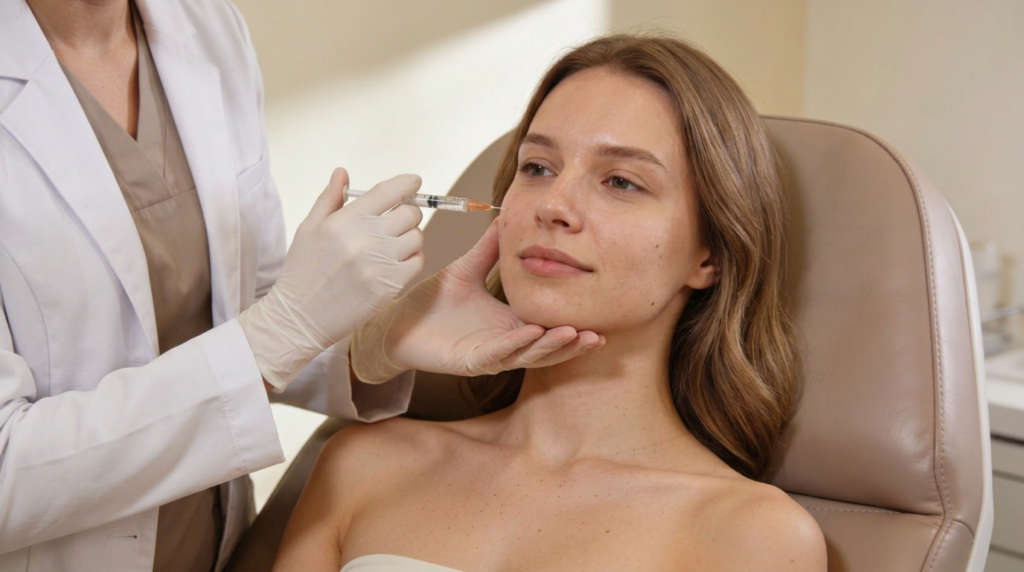
The treatment. Most dissolving sessions take about 30 minutes to an hour, depending on the area and the amount of filler. The amount of hyaluronidase is selected for your goal, partial refinement or full removal, and the area is evaluated during and after treatment. Discomfort is typically mild and brief, and your provider may apply a topical numbing product in the clinic when appropriate.
At Skin Anthology, this starts with a complimentary consultation. The laser skin care clinic guide walks through what that first visit looks like, and the same consultation applies to injectables.
Lip filler cannot be dissolved at home.
Cleveland Clinic is clear that only a licensed healthcare provider can inject hyaluronidase. The FDA also warns against lip fillers sold directly to the public and against needle free injection pens, which it says have caused serious injuries, in some cases permanent harm to the skin, lips or eyes.
Recovery and results
Recovery is short. Cleveland Clinic notes that you can return to work and your usual activities right after treatment. What to expect:
- First few days: temporary swelling, redness, tenderness or bruising, which typically improves within several days. Cleveland Clinic says minor bruising and swelling can last up to a week.
- First 24 hours: avoid strenuous exercise, heat and alcohol when possible.
- While it settles: the lips may look less full or uneven for a short time as the filler dissolves and the tissue adjusts.
- By two weeks: the full result is usually visible.
Most people need one or two visits. Larger amounts of filler or nodules can take more than one session, so a follow up visit may be recommended depending on how your lips respond.

Getting lip filler again
Many patients dissolve filler, let the area settle, and then return for refined treatment. Cleveland Clinic recommends waiting at least 14 days, because it can take up to two weeks for the hyaluronic acid to fully break down.
For lips, Skin Anthology offers Juvéderm Volbella XC, which its Juvéderm page describes as formulated for the lips and the skin around the mouth, along with Restylane Kysse and Silk. On the current price list, Juvéderm Ultra XC is $700 a syringe. Juvéderm results can last 12 to 18 months depending on the product and area, and final results refine over 2 to 3 weeks as swelling resolves.
If your goal is softer lines around the mouth rather than volume, that may be a different treatment altogether. The FDA notes that wrinkle relaxers such as Botox and Dysport are not dermal fillers, so hyaluronidase has nothing to dissolve there. The Dysport duration guide explains how long those results last.
Safety: what is normal and when to call
When performed by trained clinicians using appropriate dosing, hyaluronidase is considered safe. Cleveland Clinic lists mild or moderate reactions such as bruising, swelling, pain, itching, rash, skin discoloration and allergic reactions.
Seek emergency care after treatment if you notice signs of a severe allergic reaction, which Cleveland Clinic lists as including shortness of breath, wheezing, difficulty swallowing, or swelling of the eyelids, lips or tongue.
The FDA advises working with a licensed provider who is trained to inject fillers, knows anatomy and managing complications, and explains the risks and benefits before treatment.
The most serious filler risk is rare but real.
The FDA says the most serious risk with dermal fillers is accidental injection into a blood vessel, which can cause tissue death, stroke or blindness. The chances are low. The Skin Anthology filler dissolver page notes that in rare situations involving vascular concerns, dissolving can be an important part of timely care.
What dissolving lip filler costs
At Skin Anthology, filler dissolver is priced on the area treated and the amount of product required, so it is listed as call for pricing on the current price list. Your provider reviews options and builds a personalized plan at the consultation.
The consultation is free, and all treatment fees and recommendations are reviewed with you before you proceed.

Frequently asked questions
Can all lip filler be dissolved?
How fast does filler dissolver work?
Does dissolving lip filler hurt?
Will my lips look thinner after dissolving filler?
How soon can I get lip filler again after dissolving?
How much does it cost to dissolve lip filler at Skin Anthology?
Unhappy with your lip filler?
The consultation is free. Your provider looks at your lips, talks through partial or full dissolving, and gives you the price before anything is injected. Skin Anthology Med Spa, 848 N La Cienega Blvd, Los Angeles.
Prefer to talk? (310) 482-2081
Sources: Cleveland Clinic, Dissolving lip filler; U.S. Food and Drug Administration, Dermal filler do’s and don’ts; Skin Anthology filler dissolver, Juvéderm, Restylane, RHA and consultation pages and price list. This article is general information, not medical advice; suitability is assessed at your consultation.