Most patients need 2 to 4 sessions of laser treatment for vascular lesions such as visible capillaries and red spots, spaced several weeks apart. The exact number depends on the size, depth and spread of the vessels, and some respond faster than others. For visible facial blood vessels from rosacea, the American Academy of Dermatology reports a 50 to 75 percent reduction after 1 to 3 treatments. This guide shows how to plan the series, from consultation to the last session.
What laser vascular therapy treats
Laser vascular therapy is a non invasive treatment for vascular lesions: persistent redness and visible capillaries. On the Skin Anthology price list it sits under Vascular and Red Spot Removal, and the service page lists facial redness as well as vascular concerns on the hands and legs.
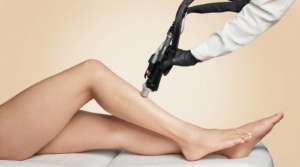
The laser sends focused pulses of energy that are absorbed by the targeted vessels beneath the skin. The vessel walls heat and collapse, and the body then gradually breaks down and reabsorbs them. The surrounding tissue is not targeted, so the correction stays local.
That is why results take time. The laser does its work in minutes, but clearing the vessel is your body’s job, and the service page notes that improvement develops over time and may need more than one session.
How many sessions to plan for
The Skin Anthology vascular page puts it plainly: most patients require 2 to 4 sessions, depending on vessel size, depth and distribution. Three things shape where you land in that range:
- Size and depth. Vessels vary in size and depth, and some vessels respond more quickly than others.
- How many there are. A single red spot is a different plan from redness spread across both cheeks.
- Where they are. The face, hands and legs are all treatable, and location is one of the things pricing is based on.
Independent guidance points the same way. The American Academy of Dermatology reports that when lasers or lights are used for visible blood vessels from rosacea, most patients see a 50 to 75 percent reduction after 1 to 3 treatments, and some see a 100 percent reduction.
Laser and light are not the same treatment.
The AAD notes that intense pulsed light can reduce flushing and is gentler on the skin than a laser, but it requires more treatment sessions than laser therapy. If you are comparing plans, compare the number of visits, not just the price of one.
How to space the sessions
Skin Anthology commonly spaces vascular sessions several weeks apart, with multiple treatments often recommended for more complete correction. The AAD says treatments for visible facial blood vessels are usually spaced 3 to 4 weeks apart.
| Step | Timing | Focus |
|---|---|---|
| Consultation | Before starting | Plan, price |
| Preparation | 1 to 2 weeks | Avoid sun |
| Session | 15 to 60 minutes | Targeted pulses |
| Recovery | Hours to days | Settling |
| Review | Several weeks | Next session |
Timings from the Skin Anthology laser vascular therapy page. Your provider sets the interval for your skin.
Some vessels fade quickly, while others improve over several weeks as the body clears them. The consultation page notes that plans evolve as your skin responds, with reassessments as part of ongoing care.
Preparing for each session
The same preparation applies before every visit in the series, according to the vascular page:
- Sun: avoid tanning, spray tans and prolonged sun exposure for at least 1 to 2 weeks before, when possible.
- Skin care: hold retinoids, exfoliating acids and strong actives on the area for 3 to 5 days beforehand unless directed otherwise.
- Alcohol: avoid it for 24 hours before when possible, as increased circulation may raise bruising risk.
- Pregnancy: laser vascular treatments are not recommended during pregnancy or while breastfeeding.
Share your current medications, supplements, bleeding tendencies, vascular conditions and recent procedures. The AAD specifically mentions telling your provider about warfarin, isotretinoin and aspirin, about cold sores, and if you are sensitive to light or bruise easily. Do not stop a prescribed medication unless the clinician who prescribed it advises you to.
What a session and recovery are like
Most sessions last 15 minutes to one hour, depending on the size, number and location of the vessels. Targeted laser energy is applied directly to visible vessels, with settings chosen for the vessels and your skin type, and cooling is used throughout for comfort and skin protection. Brief warmth or snapping sensations are common and typically short lived.
Afterwards, redness, swelling or warmth usually resolves within hours to a few days. Bruising may occur when individual vessels are treated, and a brownish red stain called hemosiderin staining can develop and fade gradually.
For 24 to 48 hours, avoid intense heat, saunas, hot tubs, strenuous exercise and direct sun. Use gentle skin care until the skin settles, and wear a broad spectrum sunscreen every day. The AAD stresses that staying out of the sun after treatment helps prevent side effects.
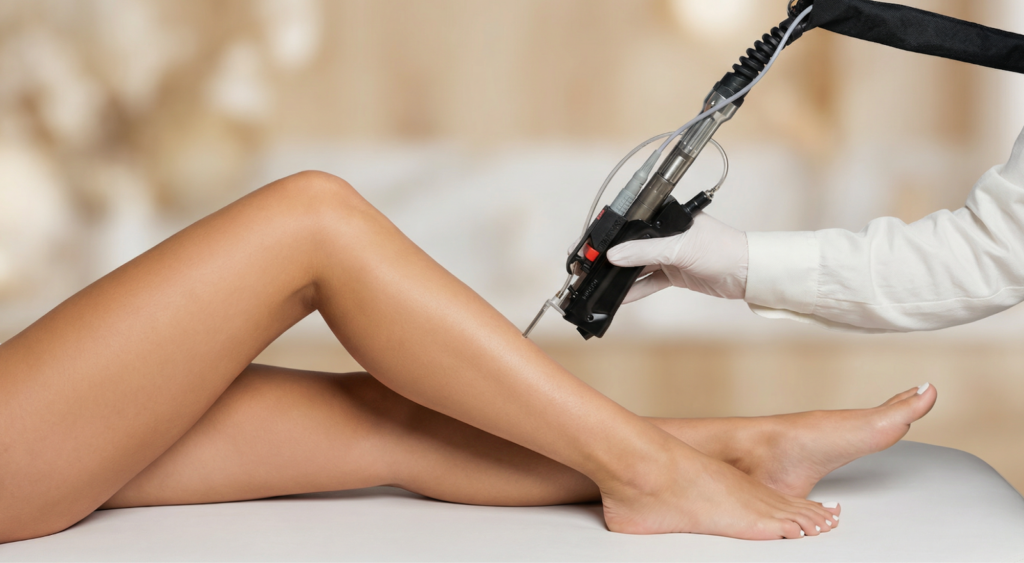
Treated vessels do not come back, but new ones can form.
The AAD says results from laser treatment of blood vessels tend to last 3 to 5 years. The vessels that were treated do not reappear, but new ones can develop over time, so new vessels may need treatment later on.
Fitting vascular laser into a wider plan
The vascular page notes that it pairs well with laser facials, pigment correction and other skin quality treatments. Brown spots are a separate treatment on the price list, and the guide on laser for dark spots explains the brown side of that split.
If your redness comes from rosacea, laser is likely to be one part of the plan, not all of it. The AAD says rosacea plans usually include gentle skin care, sun protection and help avoiding triggers such as overheating, alcohol and spicy foods, sometimes alongside medication from a dermatologist.
Marks left behind after breakouts can be brown rather than red, and those follow a different path, covered in the guide to post inflammatory hyperpigmentation treatment. For a wider look at how each laser is matched to a concern, see what a laser skin care clinic does.
Your consultation can include skin imaging at no cost.
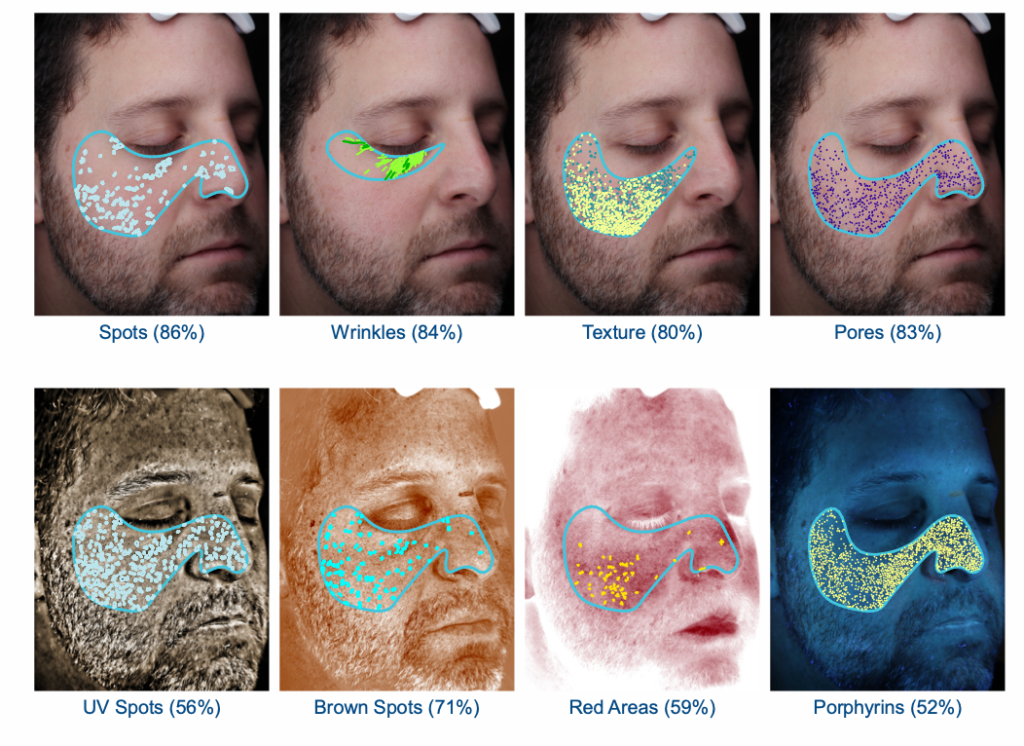
The Skin Anthology consultation is complimentary, and when helpful it uses VISIA facial analysis to highlight patterns in tone, texture and pigmentation that may not be immediately visible. It is included at no additional cost, and you do not have to decide on treatment during the visit.
What a vascular series costs
Pricing is based on the size, number and location of the vessels treated. The current price list shows these per session prices:
| Area | Per session |
|---|---|
| Small | $99 |
| Medium | $149 |
| Large | $199 |
| Full face | $249 |
| Face and neck | $349 |
| Face, neck, chest | $449 |
Per session prices from the current price list, where the chest area is listed as décolleté. A package of 3 is 15% off.
Most patients need more than one visit, so the package is worth comparing. The service page notes that package pricing is available for 3 to 6 treatments, with the recommendation reviewed at your consultation.
The AAD notes that health insurance rarely covers laser or light treatment for rosacea, so ask for the total for your full series before you begin.
Frequently asked questions
How many laser sessions does a vascular lesion need?
How far apart are vascular laser sessions?
When will I see results?
Is there downtime after vascular laser treatment?
Do treated vessels come back?
Plan your series before your first session.
The consultation is free. Your provider looks at the vessels you want to treat, recommends a number of sessions and the spacing, and gives you the price before any treatment. Skin Anthology Med Spa, 848 N La Cienega Blvd, Los Angeles.
Prefer to talk? (310) 482-2081
Sources: American Academy of Dermatology, Lasers and lights: How well do they treat rosacea?; American Academy of Dermatology, Rosacea: Diagnosis and treatment; Skin Anthology laser vascular therapy and consultation pages and price list. This article is general information, not medical advice; suitability is assessed at your consultation.