For most people, red light therapy appears to be safe in the short term when it is used as directed. The American Academy of Dermatology says the most common side effects are mild, and research has not found that red light causes cancer the way UV light can. Long term effects are still unknown. This guide covers the side effects, who should check with a provider first, home devices versus clinic sessions, and what a session at Skin Anthology involves.
What red light therapy is
Red light therapy is a non invasive treatment that uses red or near infrared light. You may also see it called photobiomodulation.
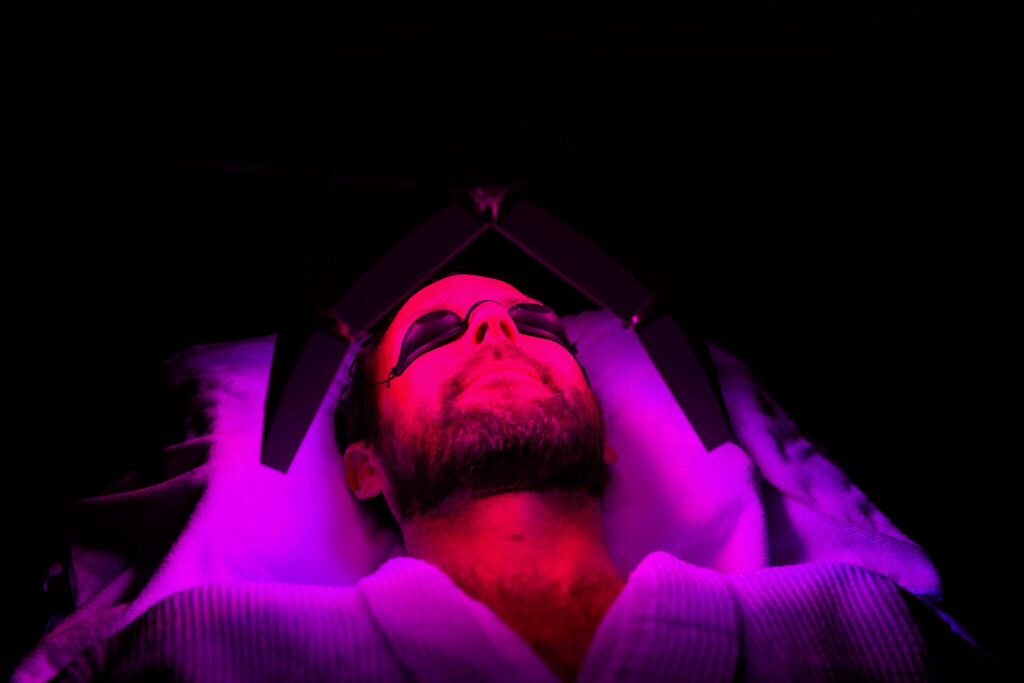
At Skin Anthology, red light therapy uses LightStim red and near infrared LED panels. The panels are positioned over the skin, the treatment is hands free and does not disrupt the skin’s surface, and a session typically lasts about 20 minutes. The clinic often adds it after other treatments to support recovery, and also offers standalone sessions.
The AAD notes that the red light offered in a dermatology office is more powerful than the light in devices sold for home use. That difference matters for both results and safety, and it comes up again below.

Red light is not UV light.
UV light from the sun and tanning beds can cause skin cancer. The AAD says research has not found that red light can cause any type of cancer, and Cleveland Clinic makes the same distinction.
Side effects to know about
The AAD describes red light therapy as appearing safe in the short term. The most common side effects it lists are mild: some people develop temporary mild pain or irritated skin.
Cleveland Clinic says red light therapy appears safe and is not associated with side effects when it is used short term and as directed. The risk comes from misuse. Using a device too often, or not following its directions, can damage the skin, and the eyes if they are not protected.
Both sources note that the long term safety of red light devices is not yet known, so more is not better.
Protect your eyes
Eye safety is the part most people skip at home. The AAD says to wear eye protection if a device’s directions tell you to, using the eye protection the directions recommend, and to wear it every time. Sunglasses are not a substitute for protective goggles.
Cleveland Clinic gives the same advice: shield your eyes and follow all directions. In the clinic, ask your provider which eye protection is used.
Who should check with a provider first
Red light therapy is not right for everyone. The AAD recommends talking with a dermatologist before using red light at home, and points to a few groups in particular:
- Darker skin tones. People with darker skin are more sensitive to visible light, including red light. The AAD says this can lead to hyperpigmentation, and the dark spots can be more intense and longer lasting than spots caused by sunlight. If dark marks are already a concern, the guide to post inflammatory hyperpigmentation treatment explains how they are approached.
- Light sensitive skin conditions. A condition that makes you sensitive to light, such as lupus, can worsen with red light.
- Light sensitizing medicines. If a medication makes your skin more sensitive to light, red light may not be recommended. Do not stop a prescribed medicine unless the clinician who prescribed it advises you to.
- An undiagnosed skin problem. Cleveland Clinic advises seeing a dermatologist or trained professional first, so the condition is confirmed before you choose a treatment.
The Skin Anthology service page asks you to tell your provider about any known photosensitivity or medications that increase light sensitivity before treatment.

“FDA cleared” means low risk, not proven results.
The AAD explains that FDA clearance means the agency considers a device to pose a low risk to the public. It tells you nothing about how effective the device is. Terms like “FDA approved” or “FDA certified” have no meaning for a medical device, because the FDA clears devices rather than approving them.
Home devices versus clinic sessions
Masks, panels and wands are widely sold for home use. Cleveland Clinic says these products are generally safe but may be less powerful than the devices used by dermatologists and trained skin professionals, so you may not get the results you hope for.
| Factor | At home | In clinic |
|---|---|---|
| Power | Lower | Higher |
| Cost | $100 to $1,000+ | $99 add on |
| Guidance | Device directions | Your provider |
Device cost range from the AAD. Clinic price from the current Skin Anthology price list seasonal specials.
If you do buy a device, the AAD recommends choosing one that is FDA cleared and made for the concern you want to treat, following its directions exactly, and seeing a dermatologist first. Cleveland Clinic also suggests being cautious about where you receive treatment, since red light is now promoted in salons, gyms and tanning salons as well as medical offices.
What a session at Skin Anthology involves
The Skin Anthology red light therapy page sets out what to expect:
- Before: arrive with clean skin, free of makeup, lotions or sunscreen on the treatment area when possible, and share any photosensitivity or light sensitizing medications.
- During: LED panels are positioned over the skin. Most patients feel gentle warmth or a relaxing sensation.
- After: there is no downtime, so normal activities can be resumed right away.
Red light is often paired with other treatments. The AAD says dermatologists typically use red light as a complementary therapy, for example alongside microneedling or a chemical peel. In the seasonal specials on the price list, red light appears as an add on to full face microneedling, and the microneedling aftercare guide covers the recovery side of that treatment.
Red light has been studied after laser treatments.
The AAD describes a large study in which patients who received in office red light therapy after a laser treatment had less discoloration and swelling from the laser. If you are planning a resurfacing treatment, the guide to CO2 laser downtime covers the recovery timeline, and your provider can tell you whether red light fits your plan.
How often and what it costs
Red light therapy is not a one time treatment. Cleveland Clinic says most skin conditions need sessions one to three times a week for weeks or even months, and that red light therapy typically is not covered by health insurance. The AAD adds that results take time and not everyone sees them.
At Skin Anthology, frequency depends on your goals and how your skin responds.
On the current price list, red light appears as a $99 add on in the seasonal specials, including The Glow Getter package with full face microneedling. The service page says pricing and treatment recommendations for standalone sessions are reviewed during your consultation.
Frequently asked questions
Is red light therapy safe?
What are the side effects of red light therapy?
Do I need eye protection for red light therapy?
Is red light therapy safe for darker skin?
How often do you need red light therapy?
Find out if red light therapy suits your skin.
The consultation is free. Your provider reviews your skin, history and medications, recommends a plan and gives you the price before any treatment. Skin Anthology Med Spa, 848 N La Cienega Blvd, Los Angeles.
Prefer to talk? (310) 482-2081
Sources: American Academy of Dermatology, Is red light therapy right for your skin?; Cleveland Clinic, Red light therapy; Skin Anthology red light therapy and consultation pages and price list. This article is general information, not medical advice; suitability is assessed at your consultation.