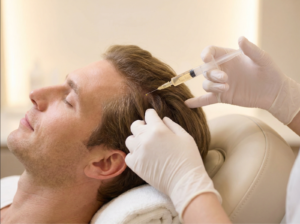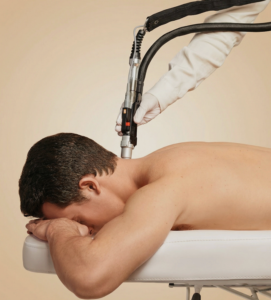
Microneedling can cause scarring, but it is a possible risk rather than the expected result. The American Academy of Dermatology and the Cleveland Clinic both list scarring as a risk, and the AAD links it to at home devices, too much pressure, and treatment by someone without medical training. This guide covers why scars can look worse before they improve, what raises the risk, who should wait, and how microneedling is planned at Skin Anthology.
Why scars can look worse before they look better
Microneedling uses fine needles to make tiny channels in the skin. Those controlled micro injuries start the skin’s own repair process, which builds new collagen over the following weeks. That is how it softens acne scars, uneven texture and fine lines.
Right after a session the treated skin heals in the open. The AAD describes redness on lighter skin tones and darker shades on darker skin tones, with a feeling like a sunburn and some swelling. At Skin Anthology these effects are most noticeable in the first 24 hours and improve over 1 to 3 days. Mild dryness or flaking may follow.
While that redness and swelling settle, existing scars can stand out more than usual. This is the healing phase, not new damage. The AAD says the reactions usually disappear in a few days to a week, and the Cleveland Clinic says skin may stay red and swollen for up to five days.
The improvement comes later. Results appear gradually as collagen builds: the AAD says you may see a change within a few weeks, and it usually takes several months to see the full result.
Microneedling has a second name.
Because it works by prompting your body to make collagen, the American Academy of Dermatology notes that microneedling is also called collagen induction therapy. When it is done properly, the skin heals the tiny channels with just the right amount of collagen.
What actually raises the risk of scarring
The Cleveland Clinic calls microneedling a safe procedure and lists bruising, scarring and skin infection as its risks. Most of what tips the odds toward a scar falls into a few groups:
- Who holds the device. The AAD says that when microneedling is done by someone who lacks medical training and in depth knowledge of the skin, the risk of infection, scarring and long lasting discoloration goes up.
- Pressure and overuse. Pressing too hard can damage the skin, and overusing microneedling can irritate it, which the AAD says can make the original concern more noticeable.
- Skin that is not ready. A tan, a recent sunburn, a skin infection or painful, deep pimples all mean treatment should wait.
- Skin that scars easily. A history of keloids or of slow, poor healing changes the picture, which is why it belongs in your consultation.
- Skipping aftercare. The AAD says following your aftercare instructions further lowers the risk of side effects.
Depth matters too. The Cleveland Clinic explains that needle length on an electric device can range from 0.5 millimeters to 2 millimeters, with longer needles used for deeper scars. At Skin Anthology, depth and technique are adjusted during the session based on your skin condition and goals.

Home rollers are not built to break the skin.
The American Academy of Dermatology explains that at home microneedling products are not meant to puncture the skin. When one does, it can lead to infection or scarring, and at home microneedling can accidentally spread warts, herpes and other viruses across the skin.
Who should wait or skip microneedling
The American Academy of Dermatology says microneedling is safe for most people and all skin tones, but not for everyone. It advises against microneedling if you heal slowly or poorly, have or have had a keloid, have a weakened immune system, are being treated for skin cancer in the area, or are receiving radiation.
Other situations mean waiting rather than skipping. The AAD says treatment waits until a tan, sunburn, skin infection or deep, painful pimples have cleared, and that at least one month must pass after your last isotretinoin pill.
The Cleveland Clinic adds a list worth raising before you book: acne or acne medication, blood disorders or blood thinners, frequent rashes or cold sores, eczema or psoriasis, and moles or growths that change size or shape or bleed.
Skin Anthology does not recommend microneedling during pregnancy or while breastfeeding.
How a session is planned at Skin Anthology
It starts with a free consultation. Share every medication and supplement, especially blood thinners, and mention active acne, infections, delayed healing, abnormal scarring or any recent skin treatments. Do not stop a prescribed medicine without medical guidance.
Before your appointment, avoid sunburn, tanning and long sun exposure for at least 7 days, and stop retinoids, exfoliating acids and other active skincare on the area for 3 to 5 days unless your provider advises otherwise.
On the day, a topical numbing cream is applied by your provider before treatment. Skin Anthology uses fine, medical grade needles with no heat, and appointments typically last 60 to 90 minutes depending on the area and any add ons. Most patients benefit from a series of 3 to 6 treatments spaced about four weeks apart.
Here is what the current price list shows for the face:
| Area | Session | Package |
|---|---|---|
| Half face | $349 | $889.95 |
| Full face | $399 | $1,017.45 |
| Face + neck | $549 | $1,399.95 |
Package prices are the three session total at 15% off. Full face, neck and décolleté together is $699 a session.
Add ons are optional and priced per session: growth factor $99, PRFM $449 and PDRN $449. If you are thinking about adding LED light, the guide to red light therapy safety explains how it works.
Aftercare that protects your skin
Most of the scarring risk you control comes after you leave. For the first days, use gentle cleansers and moisturizers only, and skip makeup for at least 24 hours. The AAD gives the same 24 hour makeup rule.
For at least 48 hours, avoid heat, intense workouts, alcohol and direct sunlight. Hold off on exfoliants, retinoids and other active skincare for 5 to 7 days.
The microneedling aftercare guide walks through the first week day by day.
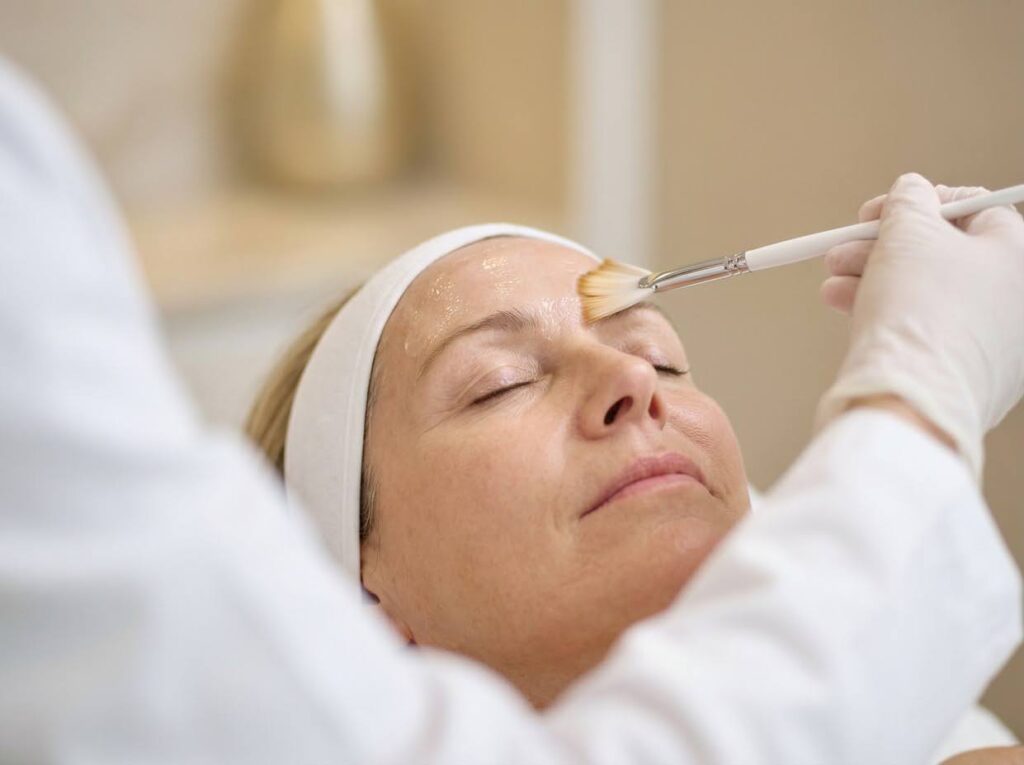
Results fade as collagen fades.
According to the American Academy of Dermatology, microneedling results slowly fade as your body loses collagen. Protecting your skin from the sun and not smoking both help, and some people return for a maintenance session once a year.
When to call the clinic
Normal healing gets better each day. The Cleveland Clinic advises contacting your provider if the treated area is bleeding for longer than 24 hours, has blistered, or stays swollen for longer than a week.
Also call if you notice dark patches that linger after the redness has gone. The AAD lists long lasting discoloration among the risks, and the guide to post inflammatory hyperpigmentation explains how those marks fade.

Frequently asked questions
Can microneedling leave a permanent scar?
Why do my acne scars look worse right after microneedling?
Is at home microneedling safe?
Can I have microneedling if I form keloids?
How many sessions do acne scars need?
Find out if microneedling suits your skin.
The consultation is free. Your provider reviews your skin and health history, and you leave knowing the session plan and the price before you commit. Skin Anthology Med Spa, 848 N La Cienega Blvd, Los Angeles.
Prefer to talk? (310) 482-2081
Sources: American Academy of Dermatology, Microneedling can fade scars, uneven skin tone, and more; Cleveland Clinic, Microneedling; Skin Anthology microneedling and consultation pages and price list. This article is general information, not medical advice.