
TL;DR:
- Laser hair removal offers long-term hair reduction with results lasting several years, though permanent removal is not guaranteed. Completing a full course of about six to eight sessions and scheduling maintenance treatments ensure optimal outcomes and minimized regrowth. Hormonal areas like the face may require more sessions and ongoing upkeep to sustain smooth skin over time.
Laser hair removal is defined as a medical procedure that delivers long-term hair reduction by targeting follicles with concentrated light energy. Most patients achieve results that last several years after completing a full treatment series. The FDA classifies laser hair removal as permanent hair reduction, not guaranteed permanent removal of every hair. That distinction matters. You will likely see dramatically less hair, but occasional regrowth is normal, and maintenance treatments are part of the long-term plan.
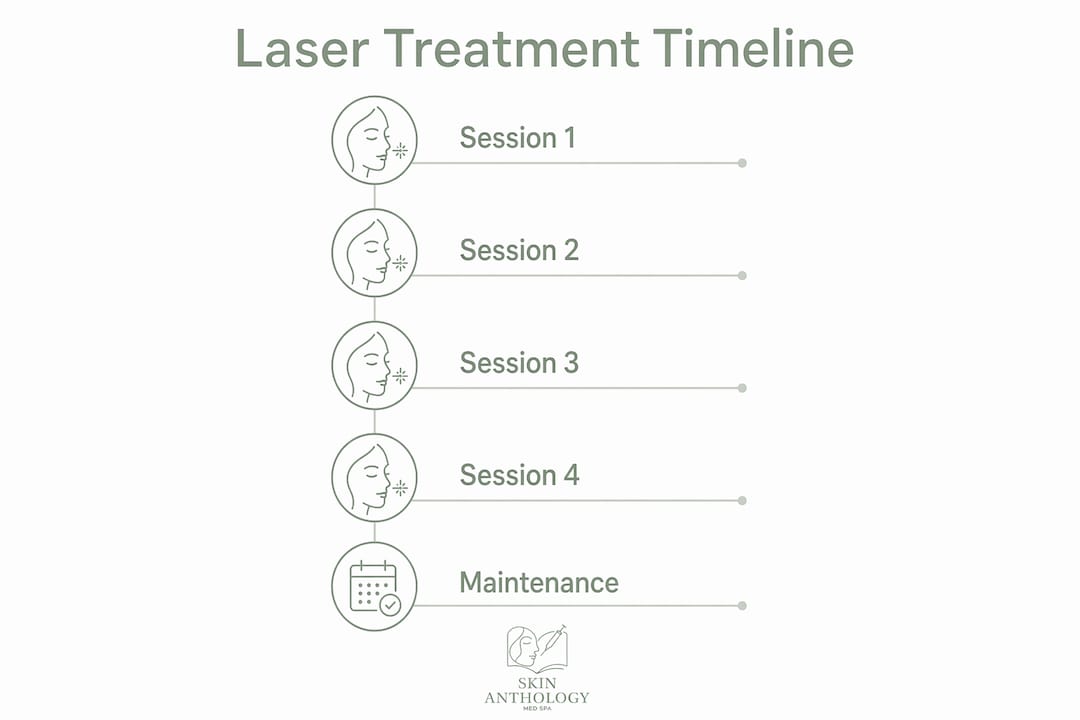
How long does laser hair removal treatment last by body area?
The duration of laser hair removal results depends heavily on where you are treating and how many sessions you complete. Most people need about 6 to 8 sessions for significant long-term hair reduction. That range is not arbitrary. It reflects how hair grows in cycles, and the laser can only target follicles in their active growth phase.

Sessions are spaced 4–6 weeks apart for the face, and 6 to 8 weeks for the body, to catch each wave of active follicles. Spacing sessions too close together or too far apart reduces effectiveness. That means a full treatment course typically spans several months from start to finish.
| Body area | Typical sessions needed | Interval between sessions |
|---|---|---|
| Underarms | 6–8 | 6 to 8 weeks |
| Bikini line | 6–8 | 6 to 8 weeks |
| Legs | 6–8 | 6–8 weeks |
| Face | 6 to 8, more if hormonal | 4–6 weeks |
| Back | 6 to 8 | 6–8 weeks |
| Neck | 6 to 8, more if hormonal | 4–6 weeks |
Hormonal areas like the face and neck consistently require more sessions. The reason is that hormonal activity can continuously stimulate new follicles, making those areas harder to clear in a standard course.
Pro Tip: Book all your sessions before you start. Clinics like Skin Anthology can map out your full treatment schedule in advance, so you never miss the optimal treatment window.
What results can you expect, and how long do they last?
After completing a full series, most patients experience 40–80% reduction in hair density. That is a wide range, and it reflects real variation across skin tones, hair types, and treatment areas. Remaining hairs tend to grow back finer and lighter, which means even partial regrowth is far less noticeable than before treatment.
Results typically last several years. Some patients achieve smooth skin for up to a decade following a full treatment course. That outcome is more common in areas with stable hormone levels, like the legs or underarms, compared to the face or chin.
Several factors influence how long your results hold:
- Hormonal changes: Pregnancy, menopause, and conditions like polycystic ovary syndrome can reactivate dormant follicles.
- Age: Hormonal shifts that come with aging can trigger new growth in previously treated areas.
- Hair and skin contrast: Darker, coarser hair on lighter skin responds best to laser energy.
- Treatment completeness: Skipping sessions or stopping early reduces the overall reduction percentage.
Laser hair removal significantly reduces shaving frequency but usually does not eliminate the need for all future hair removal. Setting that expectation upfront leads to better satisfaction with results.
Why maintenance treatments matter for lasting results
Dormant follicles are the main reason results are not permanent. Even after a successful full course, some follicles that were not in their active growth phase during treatment will eventually activate. Hormonal changes or aging can reactivate these follicles, producing new hair growth months or years after your last session.
Laser hair removal maintenance treatments address exactly this. Most patients need one or two touch-up sessions per year to keep skin smooth. The frequency varies by area and individual. Hormonal zones like the upper lip or chin may need maintenance more often than the legs or back.
Here is what to expect from a maintenance plan:
- Frequency: Typically one to two sessions per year after completing the initial course.
- Duration: Maintenance sessions are shorter than initial treatments since fewer follicles need targeting.
- Timing: Many patients schedule a touch-up in late winter before spring and summer, when smooth skin matters most.
- Cost: Maintenance sessions are usually priced lower than full-course sessions. Reviewing the treatment pricing at your clinic helps with annual budgeting.
Pro Tip: Track your regrowth patterns after your initial course. If you notice new growth in a specific area, schedule a maintenance session before it becomes dense again. Early treatment is faster and more effective.
What factors influence how effective laser hair removal is?
Treatment effectiveness and result longevity are not random. Success depends on hair thickness, skin tone, and hormonal factors working together with the right laser settings. A provider who customizes your plan based on these variables will consistently deliver better outcomes than one using a one-size-fits-all approach.
The contrast between hair color and skin tone is the most critical technical factor. Laser energy targets melanin in the hair follicle. High contrast, meaning dark hair against light skin, gives the laser a clear target. Lower contrast requires more advanced laser technology and careful calibration to treat safely and effectively.
Additional factors that shape your results include:
- Hair growth cycle timing: Ideal session spacing matches the hair growth cycle to maximize follicle targeting. Missing the active phase means that follicle survives to the next session.
- Hormonal influences: Facial and hormonal hair typically requires more treatments than body hair. Patients with hormonal conditions should discuss this with their provider before starting.
- Sun exposure: Tanned skin increases the risk of burns and reduces laser effectiveness. Avoiding sun exposure for at least two weeks before and after each session protects both safety and results.
- Aftercare practices: Using SPF daily, avoiding heat, and following your provider’s post-treatment instructions all contribute to better outcomes.
- Laser technology: Medical-grade devices with adjustable wavelengths and cooling systems treat a wider range of skin tones more safely than older or lower-powered equipment.
Customized treatment plans based on hair color, thickness, and skin type improve both safety and efficacy. Providers who assess these factors before your first session set you up for the best possible long-term result.
Key Takeaways
Laser hair removal delivers years-long hair reduction, not permanent removal, and results depend on completing a full session course, targeting the right growth phases, and scheduling maintenance treatments for hormonal areas.
| Point | Details |
|---|---|
| Results last years, not forever | Most patients enjoy smooth skin for several years; some up to a decade with maintenance. |
| Full course is about 6 to 8 sessions | Most areas need 6 to 8 sessions; hormonal areas like the face may need more. |
| Sessions must be spaced correctly | Spacing sessions 4 to 6 weeks apart for the face and 6 to 8 weeks for the body targets active follicles. |
| Maintenance is part of the plan | One to two touch-up sessions per year sustains results, especially in hormonal zones. |
| Customization drives outcomes | Hair type, skin tone contrast, and hormonal factors all shape how many sessions you need. |
What we’ve learned treating laser hair removal in West Hollywood
The most common misconception we see at Skin Anthology is that laser hair removal is a one-time fix. Patients come in expecting to finish their course and never think about hair again. That expectation sets them up for disappointment when they see a few hairs return two years later.
The clinical reality is more nuanced, and honestly, more manageable. Laser hair removal is one of the most effective long-term solutions available. A 40–80% reduction in hair density is genuinely life-changing for most people. The key is understanding that “long-term reduction” is the accurate promise, and it is a strong one.
What we have found in practice is that patients who commit to their full initial course and schedule one annual maintenance session are consistently the most satisfied. They are not chasing perfection. They are managing a biological process with a reliable tool.
The patients who struggle most are those who stop after three or four sessions because they see improvement and assume they are done. Incomplete treatment leaves dormant follicles untouched. Those follicles activate later, and the patient feels like the treatment “stopped working.” It did not stop working. It was never finished.
West Hollywood clients tend to be well-informed and results-focused. That is an advantage. When you come in already understanding that this is a process with a maintenance component, you make better decisions about scheduling, budgeting, and long-term planning. Realistic expectations are not a limitation. They are the foundation of a result you will actually be happy with.
Skin Anthology’s approach to laser hair removal in Los Angeles
Skin Anthology offers personalized laser hair removal in West Hollywood, with treatment plans built around your specific hair type, skin tone, and hormonal profile. Every client receives a customized session schedule, not a generic package. For current prices and what a full course costs, see the guide to laser hair removal in Los Angeles.
The clinic uses medical-grade laser technology calibrated for a full range of skin tones, with protocols designed to maximize both safety and long-term reduction. Maintenance treatments are available to help you sustain results year after year. Whether you are starting your first course or looking to manage regrowth after a previous treatment, the team at Skin Anthology builds a plan that fits your skin and your life. Visit Skin Anthology to book a consultation and get a clear picture of what your treatment timeline will look like.
FAQ
How many sessions does laser hair removal require?
Most people need about 6 to 8 sessions for significant hair reduction. Hormonal areas like the face may require more sessions.
Is laser hair removal actually permanent?
The FDA classifies laser hair removal as permanent hair reduction, not guaranteed permanent removal. Most patients see long-lasting results, but some regrowth can occur, particularly after hormonal changes.
How often do you need maintenance treatments?
Most patients need one to two maintenance sessions per year after completing their initial course. Hormonal areas typically require more frequent touch-ups than body areas.
Does laser hair removal work on all skin tones?
Modern medical-grade lasers treat a wide range of skin tones safely when calibrated correctly. Providers should assess your skin tone and hair color before selecting the appropriate laser settings.
What is the typical laser hair removal treatment schedule?
Sessions are spaced about 4 to 6 weeks apart for the face and 6 to 8 weeks for the body to align with the hair growth cycle. A full course of about 6 to 8 sessions spans several months from start to finish.