TL;DR:
- CO2 laser resurfacing improves stretch mark texture and visibility by stimulating collagen remodeling, with most patients seeing 30 to 70 percent improvement. Effectiveness depends on stretch mark age, skin tone, and treatment consistency, requiring multiple sessions and strict aftercare. The procedure has risks for darker skin tones and is best suited for patients with realistic expectations and a commitment to downtime.
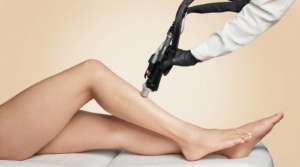
CO2 laser resurfacing for stretch marks is a clinically proven cosmetic procedure that improves stretch mark texture and visibility by triggering collagen production and skin remodeling. The formal clinical term is fractional ablative laser resurfacing, and it operates at a wavelength of 10,600 nm to selectively vaporize micro-columns of skin. This controlled injury activates the body’s wound-healing cascade, including collagen remodeling that continues for up to six months after treatment. Patients typically see a 30–60% improvement in stretch mark appearance, though complete removal is rarely achievable. Multiple sessions and consistent aftercare are required to reach those results.
How effective is CO2 laser resurfacing for stretch marks?
Effectiveness depends heavily on the age and color of your stretch marks. Red or purple stretch marks, called striae rubrae, are newer and still have active blood vessels. They respond faster to treatment because the skin is still in an active remodeling phase. White or silver stretch marks, called striae albae, are mature and have lost most of their collagen structure. They require more sessions and show more modest improvements.
Significant improvement of 50–70% is often noted after a full treatment course of 4–6 sessions spaced 6–8 weeks apart. That timeline matters because collagen remodeling is a gradual biological process, not an immediate fix. Patients who stop after one or two sessions often underestimate what the full course can deliver.
CO2 laser therapy excels at improving texture and depth. The laser vaporizes the top layers of damaged skin and stimulates new collagen in the dermis below. The result is skin that feels smoother and looks more uniform, even when the stretch mark itself does not disappear entirely.
Key factors that influence your results:
- Stretch mark age: Newer marks respond better and faster.
- Skin tone: Darker skin tones carry a higher risk of post-inflammatory hyperpigmentation.
- Body location: Abdominal skin responds differently than thigh or breast skin.
- Number of sessions: Cumulative treatments produce compounding improvements.
- Aftercare adherence: Patients who follow post-care protocols consistently see better outcomes.
Pro Tip: Set your expectations around texture improvement, not complete erasure. Visible smoothing and reduced depth are realistic and meaningful outcomes, especially for mature white stretch marks.
What does a typical CO2 laser treatment session involve?
A standard session follows a clear sequence. Knowing what to expect reduces anxiety and helps you prepare practically.
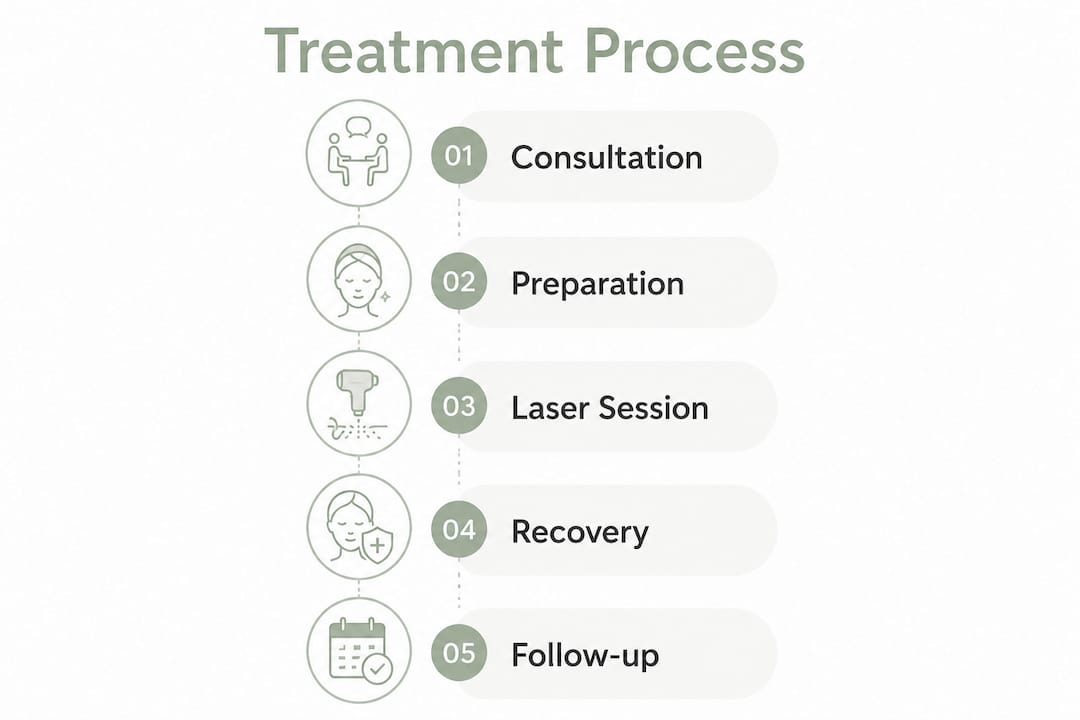
- Skin preparation: The treatment area is cleaned and a topical numbing cream is applied. You typically wait 30–45 minutes for it to take full effect.
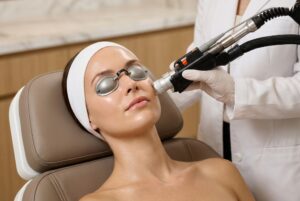
- Laser passes: The provider moves the fractional CO2 handpiece across the stretch marks in controlled passes. The laser creates thousands of microscopic channels in the skin.
- Cooling and soothing: After the laser passes, a calming serum or barrier cream is applied to reduce immediate heat and redness.
- Post-treatment assessment: The provider reviews the treated area and gives you specific aftercare instructions before you leave.
Session duration runs 30–60 minutes depending on the size of the area being treated. A small patch on the hip takes far less time than the full abdomen.
During treatment, most patients feel a sensation similar to a rubber band snapping against warm skin. Topical numbing handles most of the discomfort. After the session, the skin feels hot and tight, similar to a moderate sunburn.
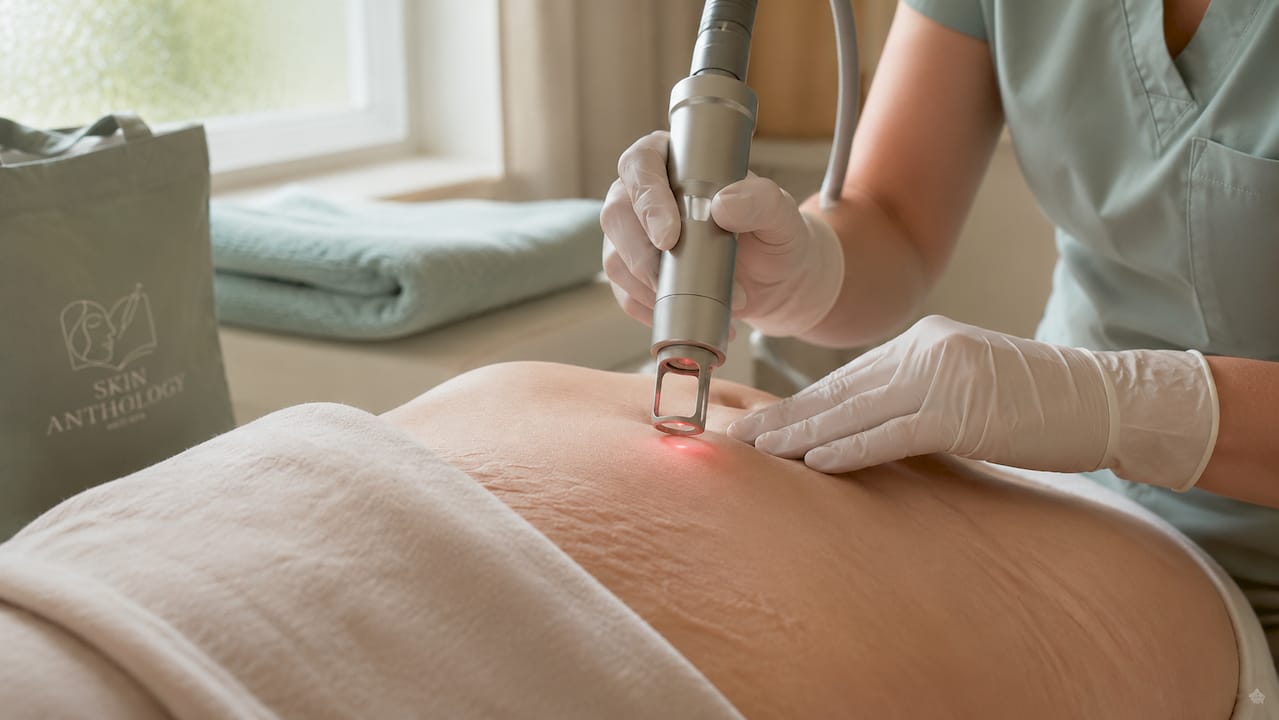
Redness and swelling peak in the first 24–48 hours and then begin to subside. A bronzed, grid-like texture appears on the skin as the micro-treatment zones heal. This is normal and expected. Most patients are socially presentable within 5–7 days, though full healing continues for several weeks as new collagen forms beneath the surface.
Pro Tip: Schedule your sessions on a Thursday or Friday if your work or social calendar is busy. That gives you the weekend to manage the initial redness and peeling before returning to normal activity.
What are the essential aftercare steps for safe recovery?
Aftercare is where results are either protected or lost. The skin after CO2 laser treatment is raw, sensitive, and rebuilding its barrier. Treating it aggressively at this stage causes more harm than the stretch marks themselves.
The core aftercare approach is intentionally simple:
- Gentle cleansing: Use a fragrance-free, non-foaming cleanser twice daily. Avoid anything with active ingredients.
- Barrier support: Apply a plain, occlusive moisturizer like petroleum jelly or a medical-grade barrier cream to keep the skin hydrated.
- Strict sun protection: Use SPF 30 or higher every day, even indoors near windows. UV exposure after laser treatment is the leading cause of hyperpigmentation.
- No exfoliation: Avoid scrubs, chemical exfoliants, retinoids, and acids for at least two weeks. The skin is already shedding on its own schedule.
- No picking: The bronzed, flaking skin will shed naturally. Forcing it off disrupts healing and increases scarring risk.
Avoiding scrubs and acids while enforcing strict sun protection promotes even healing and minimizes adverse reactions. This is not optional guidance. It is the difference between a clean result and a patchy one.
The first two weeks are the most critical window. After that, the skin stabilizes, but UV protection should continue for at least three months. Collagen remodeling continues for up to six months post-treatment, so the skin is still actively changing long after it looks healed on the surface.
Pro Tip: Resist the urge to add active serums “to speed things up.” Consistency with a simple, gentle routine outperforms any aggressive product stack during the healing phase.
Who is a good candidate for CO2 laser resurfacing?
Not every patient is the right fit for CO2 laser therapy, and that is not a limitation. It is a clinical reality that protects you from poor outcomes.
Strong candidates share these characteristics:
- Lighter skin tones (Fitzpatrick I–III): These skin types carry the lowest risk of post-inflammatory hyperpigmentation.
- Mature white or silver stretch marks: CO2 laser produces the most visible texture improvement in striae albae.
- Realistic expectations: Patients who understand improvement is the goal, not perfection, tend to be more satisfied with results.
- Ability to commit to downtime: A week of social downtime per session is non-negotiable. Patients who cannot manage this should consider lower-downtime alternatives.
- No active skin infections or open wounds in the treatment area.
- Not currently pregnant or breastfeeding.
Darker skin tones carry a higher risk of pigmentation complications from CO2 laser treatment. This does not mean the treatment is impossible, but it requires a more conservative approach, lower energy settings, and a provider with specific experience treating melanin-rich skin. If you have a Fitzpatrick IV–VI skin type, a thorough consultation is critical before committing to a full treatment plan.
Patients who are not ideal CO2 candidates have strong alternatives. Microneedling carries significantly less pigment risk and works well for mild to moderate texture improvement. XERF skin tightening offers collagen remodeling through a non-ablative mechanism, making it suitable for patients who cannot tolerate laser downtime. A qualified provider will map out which path makes the most sense for your specific skin.
What are the benefits and limitations compared to other stretch mark treatments?
CO2 laser resurfacing sits at the aggressive end of the stretch mark treatment spectrum. That positioning is both its strength and its trade-off.
The primary advantage is depth. CO2 laser reaches the dermis, where stretch marks actually originate. Treatments that only address the surface, such as topical creams or mild chemical peels, cannot produce the same structural change. CO2 laser offers stronger resurfacing and greater texture improvement than microneedling, but it requires more downtime and carries increased risk of side effects.
Combining CO2 laser with adjunctive therapies improves outcomes further. A randomized controlled trial found that fractional CO2 laser combined with topical Poly-L-lactic acid gel produced better clinical scores at 4 and 8 weeks than laser alone. This points to a growing trend in clinical practice: using CO2 laser as the foundation and layering supportive treatments on top.
| Treatment | Mechanism | Downtime | Best for |
|---|---|---|---|
| Fractional CO2 laser | Ablative resurfacing, deep collagen remodeling | 5–7 days | Mature stretch marks, texture improvement |
| Microneedling | Micro-injury, surface collagen stimulation | 1–3 days | Mild texture, lower pigment risk |
| PRP therapy | Growth factor delivery, tissue repair | Minimal | Early-stage marks, adjunctive use |
| Topical retinoids | Surface cell turnover | None | Very early, superficial marks only |
| XERF / radiofrequency | Deep tissue heating, collagen tightening | Minimal | Skin laxity, combined protocols |
The table above shows that no single treatment does everything. CO2 laser wins on depth and texture remodeling. Microneedling and radiofrequency options win on safety profile and recovery time. The best outcomes often come from combining modalities across a structured treatment plan rather than relying on one approach alone.
Key Takeaways
CO2 laser resurfacing is the most effective available treatment for improving stretch mark texture, but results depend on skin type, stretch mark age, session count, and strict aftercare adherence.
| Point | Details |
|---|---|
| Improvement range | Fractional CO2 laser produces 30–70% improvement depending on stretch mark type and sessions completed. |
| Session commitment | A full course of 4–6 sessions spaced 6–8 weeks apart is needed for significant, lasting results. |
| Skin tone risk | Darker skin tones face higher pigmentation risk and require conservative settings and an experienced provider. |
| Aftercare is critical | Avoiding acids, retinoids, and sun exposure during healing directly determines the quality of your final result. |
| Combination therapy | Adding adjunctive treatments like PLLA gel or microneedling to a CO2 protocol improves clinical outcomes. |
What I’ve learned treating stretch marks with CO2 laser
At Skin Anthology, the single most common mistake we see is patients expecting one session to do the work of six. CO2 laser resurfacing is a process, and the collagen response it triggers takes months to fully express itself. Patients who stay the course, follow their aftercare, and return for their scheduled sessions consistently see meaningful improvements. Patients who rush or skip steps rarely do.
The second thing worth saying plainly: not every stretch mark and not every skin tone is best served by CO2 laser. We have turned patients toward microneedling enhancements or laser pigmentation correction when those paths carried less risk and more appropriate outcomes for their specific skin. That is not a lesser option. That is good clinical judgment.
The providers who get the best results are the ones who treat conservatively, adjust based on how the skin responds, and build a relationship with the patient over multiple sessions. Practitioners often wait for 2–3 sessions before adjusting laser settings or adding adjunctive therapies, because collagen remodeling takes time and the full picture is not visible after one visit. Powerful treatment is not the same as aggressive treatment. The goal is always improvement you can sustain, not a dramatic result that comes with complications.
Stretch mark treatment at Skin Anthology in Los Angeles
Skin Anthology is a skin and laser clinic in West Hollywood offering CO2 laser resurfacing for stretch marks alongside a full range of medical-grade aesthetic treatments. Every patient starts with a personalized consultation to assess stretch mark type, skin tone, and treatment goals before any protocol is recommended.
For patients who are not ideal CO2 candidates, Skin Anthology offers CoolPeel laser treatment as a gentler resurfacing option, along with microneedling and XERF collagen remodeling. Transparent treatment pricing is available online. To book a consultation or ask about which treatment fits your skin, visit Skin Anthology and take the first step toward real, lasting improvement.
FAQ
How many CO2 laser sessions are needed for stretch marks?
Most patients need 4–6 sessions spaced 6–8 weeks apart to see significant improvement. Practitioners typically assess results after 2–3 sessions before adjusting settings or adding complementary treatments.
Does CO2 laser completely remove stretch marks?
Complete removal is rarely achievable. The realistic outcome is a 30–70% improvement in texture, depth, and blending with surrounding skin, depending on stretch mark age and skin type.
Is CO2 laser safe for darker skin tones?
CO2 laser carries a higher risk of post-inflammatory hyperpigmentation in darker skin tones. Treatment is possible but requires conservative energy settings and a provider experienced with melanin-rich skin.
How long does recovery take after CO2 laser for stretch marks?
Most patients are socially presentable within 5–7 days. Redness and swelling peak in the first 24–48 hours, and full collagen remodeling continues for up to six months after each session.
Can CO2 laser be combined with other stretch mark treatments?
Yes. Clinical evidence shows that combining fractional CO2 laser with topical Poly-L-lactic acid gel produces better outcomes than laser alone. Microneedling and PRP are also used alongside CO2 laser in structured combination protocols.