Post inflammatory hyperpigmentation (PIH) treatment starts with stopping what caused the mark, then wearing a tinted sunscreen with iron oxide every day, then using a product with an ingredient such as azelaic acid, a retinoid or vitamin C. A mark a few shades darker than your skin usually fades within 6 to 12 months, and treatment can speed that up. This guide covers each step and the in clinic options.
What post inflammatory hyperpigmentation is
PIH is the flat, darker spot left after the skin has been inflamed or injured. The American Academy of Dermatology describes it as a flat spot that appears where a pimple or breakout has cleared, and notes it is usually not a scar.
The color depends on your skin tone. On lighter skin the spot is usually red or pink. On medium and darker skin it is often brown, though it can be bluish gray.
It appears when something triggers the skin to make extra melanin, the pigment that gives skin its color. Common triggers, per the AAD:
- A pimple or patch of psoriasis clearing
- A bite, cut, burn or other wound healing
- Certain medications
- An irritating skin or hair care product
- Hormonal changes, such as pregnancy
PIH is different from the sunspots and age spots covered in the laser for dark spots guide. PIH follows inflammation, so the first step is different.
Dark spots are one of the top reasons for a dermatology visit.
The AAD says dark spots and patches rank as one of the most common reasons that people with darker skin tones see a dermatologist. In medium and darker skin, many everyday things can trigger extra melanin.
How long PIH takes to fade
Once the cause is stopped, the AAD says fading depends on how deep the color sits:
| Pigment | Looks | Fading |
|---|---|---|
| Shallow | Few shades darker | 6 to 12 months |
| Deep | Slate blue, gray | Can take years |
Timelines from the American Academy of Dermatology.
Treatment can speed this up. The steps below follow the AAD order: remove the cause, protect the skin, then fade what is left.
Step one: stop what is causing it
According to the AAD, getting rid of hyperpigmentation begins with finding out why the spots appear. If you can eliminate the cause, many spots clear on their own and new ones stop forming.
- Acne, eczema or psoriasis: treat the condition first. Once flares stop, most dark spots fade over time.
- A skin injury: the spot fades if you do not injure the area again.
- An irritating product: switch to gentler ones, often labeled “for sensitive skin” or “fragrance free.”
- A medication: do not stop taking it. Ask the prescribing doctor whether discoloration is a side effect.
If breakouts are the trigger, blue light therapy at Skin Anthology addresses acne related bacteria and calms breakout inflammation.
Step two: daily sunscreen, the right kind
The AAD is direct: effective treatment for dark spots begins with sunscreen.
For dark spots, the AAD recommends a tinted sunscreen with iron oxide, which helps protect against visible light. It should also be:
- SPF 30 or higher
- Broad spectrum
- Water resistant
- Non comedogenic if your skin is oily
- A shade that blends with your skin, so it leaves no white cast
Apply it to all uncovered skin before going outside, reapply every two hours and after swimming or sweating, and add a wide brimmed hat. Used this way, the AAD says, sunscreen can prevent new dark spots and help clear existing ones.
Iron oxide hides in the inactive ingredients.
Only ingredients that block ultraviolet rays count as active on a sunscreen label. Iron oxide protects against visible light instead, so the AAD says to look for it in the inactive ingredients.
Step three: products that fade dark spots
Once the cause is gone and your skin is protected, the AAD says a product with one of these ingredients can fade existing dark spots, often without a prescription:
- Azelaic acid
- Glycolic acid
- Kojic acid
- A retinoid: retinol, tretinoin, adapalene gel or tazarotene
- Vitamin C
Some can also slow melanin production. If a product burns or stings, stop using it, because irritation can trigger new spots.
Choose carefully. The AAD warns that unlisted steroids or mercury have been found in some imported skin care products, and recommends a product made in the United States or one your dermatologist recommends. Never apply liquid bleach to the skin.
In clinic treatments at Skin Anthology
When marks near the surface linger after the cause is under control, treatments that renew the skin can help. Because inflammation causes PIH, the treatment and settings are chosen for your skin type and history at the consultation.
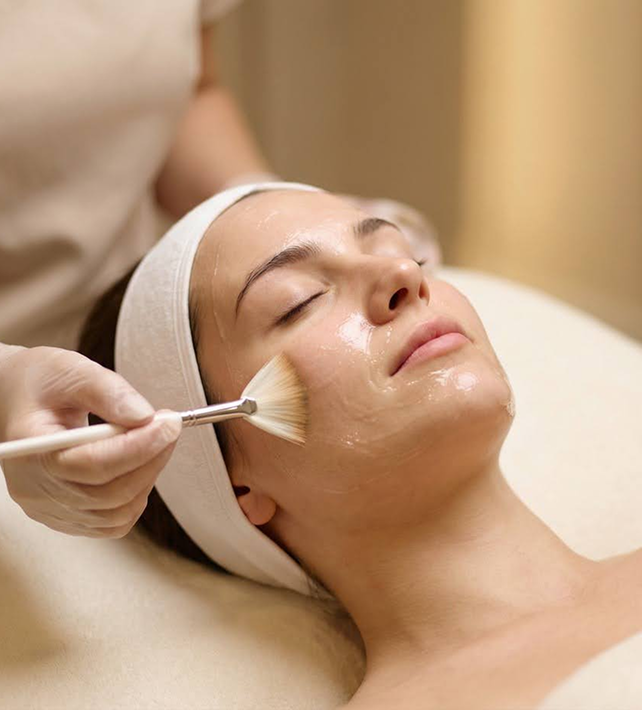
SkinMedica peels use balanced exfoliating acids to renew the outer layers of the skin, and they address dullness and mild pigmentation irregularities. A session takes about 20 to 30 minutes, and any mild redness or dryness usually resolves within a few days.
CoolPeel delivers fractional CO2 energy in cool, controlled pulses. Its page notes that pigment irregularities often look more even as the skin heals, and most patients benefit from 3 to 6 treatments about 4 to 6 weeks apart. Plan for 3 to 5 days of redness and swelling, shorter than traditional CO2, which the CO2 laser downtime guide walks through.
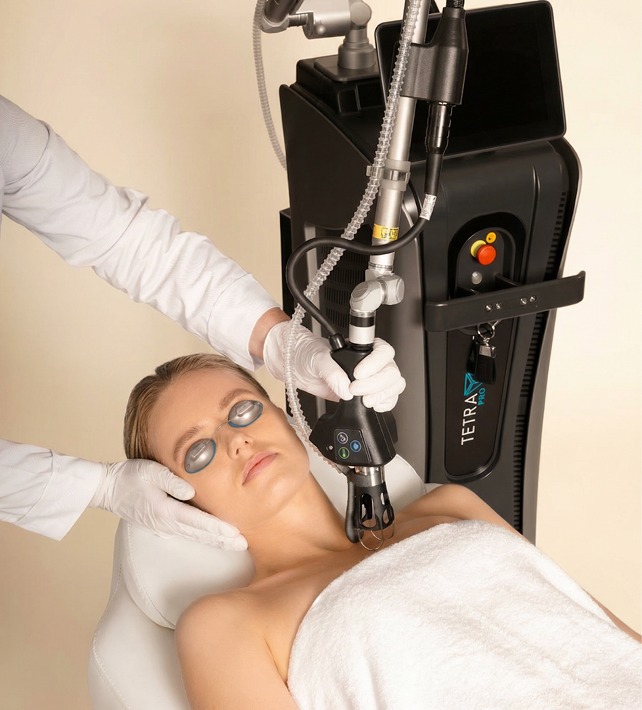
Laser pigmentation correction targets pigment with pulsed light, using settings selected for skin type and pigment depth. Most patients benefit from 3 to 6 sessions, and treated pigment can darken briefly before it fades.
| Treatment | Sessions | Price |
|---|---|---|
| SkinMedica peel | One or series | $199 to $299 |
| CoolPeel | 3 to 6 | $799 face |
| Pigment laser | 3 to 6 | From $249 |
Prices from the current price list; session counts from each service page. Packages of 3 are 15% off.
Before any of them, avoid tanning and prolonged sun for one to two weeks and share your skin history. The CoolPeel and pigmentation pages also ask you to pause retinoids and exfoliating acids for 3 to 5 days.
Your consultation includes a VISIA scan when it helps.
VISIA Facial Analysis uses high resolution imaging and specialized lighting to show pigmentation patterns and UV related changes that are not always visible to the eye. The typical charge is $150 a scan; at Skin Anthology it is part of the free consultation at no additional cost.
When to see a dermatologist first
The AAD suggests seeing a dermatologist if your treatment is not working, since some spots need a prescription strength treatment.
See a board certified dermatologist first if the discoloration is deep, slate blue or gray, or if a spot is changing in size, shape or color. The dark spots guide lists the warning signs that mean a spot needs a doctor first.
Keeping new marks from forming
The AAD notes that cleared spots can be followed by new ones. Keep the sunscreen habit, stay out of the strongest sun between 10 a.m. and 2 p.m., use gentle skin care, and keep treating the cause, such as acne or eczema.
The laser skin care clinic guide explains what happens at a first consultation, where your provider reviews your skin and history before recommending anything.
Frequently asked questions
Does post inflammatory hyperpigmentation go away on its own?
Is post inflammatory hyperpigmentation a scar?
What sunscreen is best for PIH?
Which skin care ingredients help fade PIH?
Can a chemical peel or laser help PIH?
How much does PIH treatment cost at Skin Anthology?
Dark marks that will not fade?
The consultation is free. Your provider reviews your skin, talks through your options and gives you the price before any treatment. Skin Anthology Med Spa, 848 N La Cienega Blvd, Los Angeles.
Prefer to talk? (310) 482-2081
Sources: American Academy of Dermatology, How to fade dark spots in darker skin tones; American Academy of Dermatology, Acne scars: Signs and symptoms; Skin Anthology service pages and price list. This article is general information, not medical advice.